Mini Cart

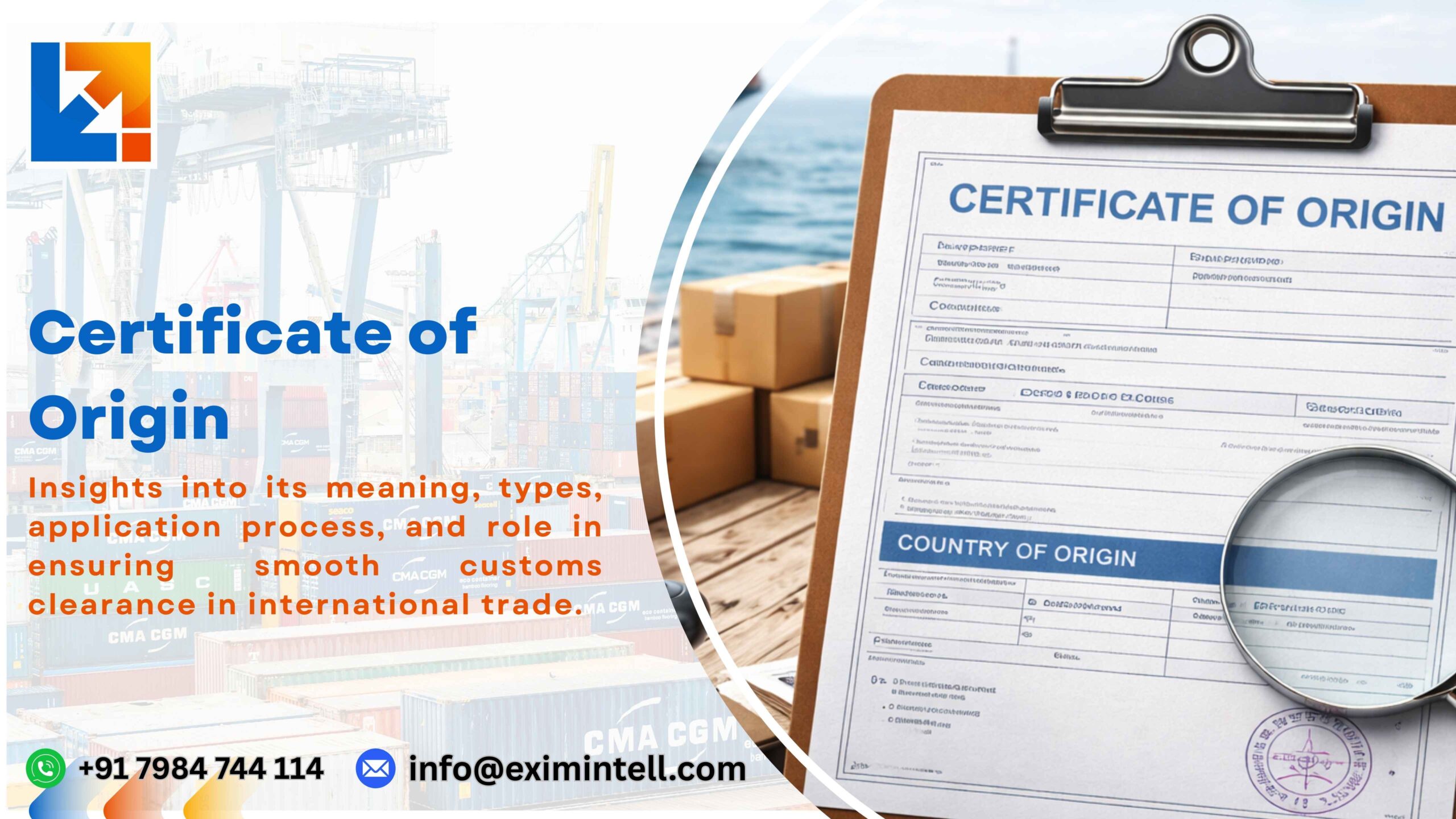
What Is a Certificate of Origin?

In the realm of international trading, a plethora of documents are developed to foster the seamless flow of products over different borders. Each crossing of shipment borders must conform to the different customs laws, trade agreements, and import laws of the country being traversed. One of these documents is the certificate of origin which confirms the location of production of the goods.

Certifying the origin of the goods being transported is incredibly important in international trade. This is because the certificate of origin means use this information to determine what kind of fines, trade restrictions, or regulations they will impose on the shipment. These customs certificates must be provided to the apparel exporters and importers.

What Is a Certificate of Origin?

Certificate of Origin in Export-Import

Weighing what a certificate of origin means is a critical aspect of engaging in import and export business. This certificate is issued from certifying or authoritative bodies, confirming the origin of the goods being shipped across international borders.

In the customs, these certificates are used to determine what privileges a shipment will enjoy in terms of taxes, trade restrictions, or quotas. The objective of sustaining transparency and avoiding fraudulent activities in trade keeps origin declarations as a legal necessity. Because a primary basis of a trade policy is origin, regulatory bodies use the document to verify policy adherence. To exporters, understanding the certificate of origin means it is vital in avoiding penalties and delays during the clearance of goods at customs.

The Role of a Certificate of Origin in International Trade

By offering a uniform method of certificate of origin of goods, the certificate of origin helps maintain international uniformity. The intricacies of trade laws, trade treaties, and importation regulations hinge on the proper identification of the origin of goods. The certificate of origin ties goods to a country, and in turn enables the customs authority to apply relevant regulations.

This process works alongside product classification systems such as the hs code for export, which further helps customs officials determine duty structures and compliance requirements.

The Role of a Certificate of Origin in International Trade

Certificate of Origin Export and Customs Clearance

In the process of exporting, the certificate of origin export document is a necessity in the process of clearing goods at customs. It helps regulatory bodies identify what customs tariffs to apply and whether the goods in question are entitled to trade privileges. Absence of any detail related to the origin of the products can lead to undesirable delays in the shipment and the customs officials carrying out further examinations.

Accurate documentation is essential because certificate of origin export requirements directly affect duty calculation. Exporters must ensure that all origin-related details are correct and supported by production records.

A great deal of care must be undertaken during the process, as the certificate of origin export stipulations will determine how much customs duties will be charged. All exporters will have to document every detail that pertains to the origin of the goods on the basis of supporting documents related to the production of the goods.

Key Benefits of Certificate of Origin

The importance of the certificate of origin in export trade can be summarized through the following benefits:

  • Verifies where a product was produced.

  • Helps assess the correct amount of import duty.

  • Necessary for quick and efficient clearance of customs.
  • Minimizes the potential for trade conflicts.

  • Helps ensure the transaction was legitimate and not illegal.

  • Enhances trust when conducting business overseas.

These benefits explain why origin documentation is considered essential in the Import-Export Industry.

Types of Certificate of Origin

Explanation of Certificate of Origin Types

All different types of certificate of origin serve a unique trade purpose and are dependent on the particular countries of destination and trade. Knowing the different types of certificate of origin helps exporters to ensure they remain compliant with the import country guidelines and avoid mistakenly filing an incorrect document.

Understanding Preferential Certificate of Origin

A preferential certificate of origin is provided to exporters under Free Trade Agreements where import duties are either eliminated or minimized. This type of document certifies that the goods comply with the origin rules of the trade agreement. Thus, with a preferential certificate of origin, the importer is provided the opportunity to obtain tariff reductions, increasing the product’s competitiveness in the international marketplace. However, exporters have to comply with strict rules in order to qualify to obtain a preferential certificate of origin.

The Scope and Issuance of Certificate of Origin India

Certificate of Origin India for Exporters

Exporters from India may obtain certificate of origin india from accredited bodies such as the Chambers of Commerce and certain export councils. These institutions conduct verification for product origin prior to certificate issuance. Certificate of origin india is accepted by customs departments across the globe, making it essential for any exporter from India.

Put differently, any exporter from India is required to present evidence of origin and describe it in the certificate of origin india.

The Certificate of Origin Export Process

Export Certificate Application Process in Steps

The process of obtaining a certificate of origin export is quite lengthy and elaborate. Exporters need to create their commercial invoices, packing lists, and any other supporting documents to prove the origin of the goods. This step is followed by submission of the application to the concerned issuing authority for the certificate. Once it is reviewed and verified, the issuing authority will generate the certificate, which will become part of the export documents.

Certificate of Origin for Export Template

The certificate of origin for export format is a global standard that is accepted in all countries. This is a great benefit for exporters because they can quickly avoid confusion on the design of the certificate of origin for export format, as they know what to look for. Exporters will also be able to avoid any extra delays that could be caused by document discrepancies.

Standard requirements in the export format

Standard certificate of origin for export format usually have:

  • Exporter and importer details

  • Description of goods

  • HS code

  • Country of origin declaration

  • Authorized signature and stamp

Common Compliance Challenges

Mistakes Exporters Should Avoid

Mistakes in the declaration of the origin are one of the most prevalent issues in compliance. Wrong origin claims, lack of documents, and wrong descriptions of the products can lead to the certificate of origin means. While the documents are legally bound to the origin, people tend to overlook it and can wind up with heavy fines and have their shipments put on hold.

Frequently Asked Questions

What do certificates of origin mean in export trade?

Certificate of origin means trade is the official proof of the country of production of the goods to assist the customs in the execution of the trade policies.

Is it necessary to have a certificate of origin when exporting from India?

Countries including certificate of origin india  are necessary, and it is usually the case when a destination country mandates so or when it is required by a trade agreement.

What is the difference between preferential and non-preferential certificates of origin?

A preferential certificate of origin provides tariff benefits under trade agreements, while non-preferential certificates are used for general trade compliance.

Conclusion

A certificate of origin is one of the most crucial papers for international trade since it shows that everything is clear and follows the rules, and it helps with customs clearance. Choosing the proper type and format and giving the right information are very important for effective exporting. For expert guidance on documentation and compliance, exporters are encouraged to contact us and streamline their global trade operations.

Continue Reading

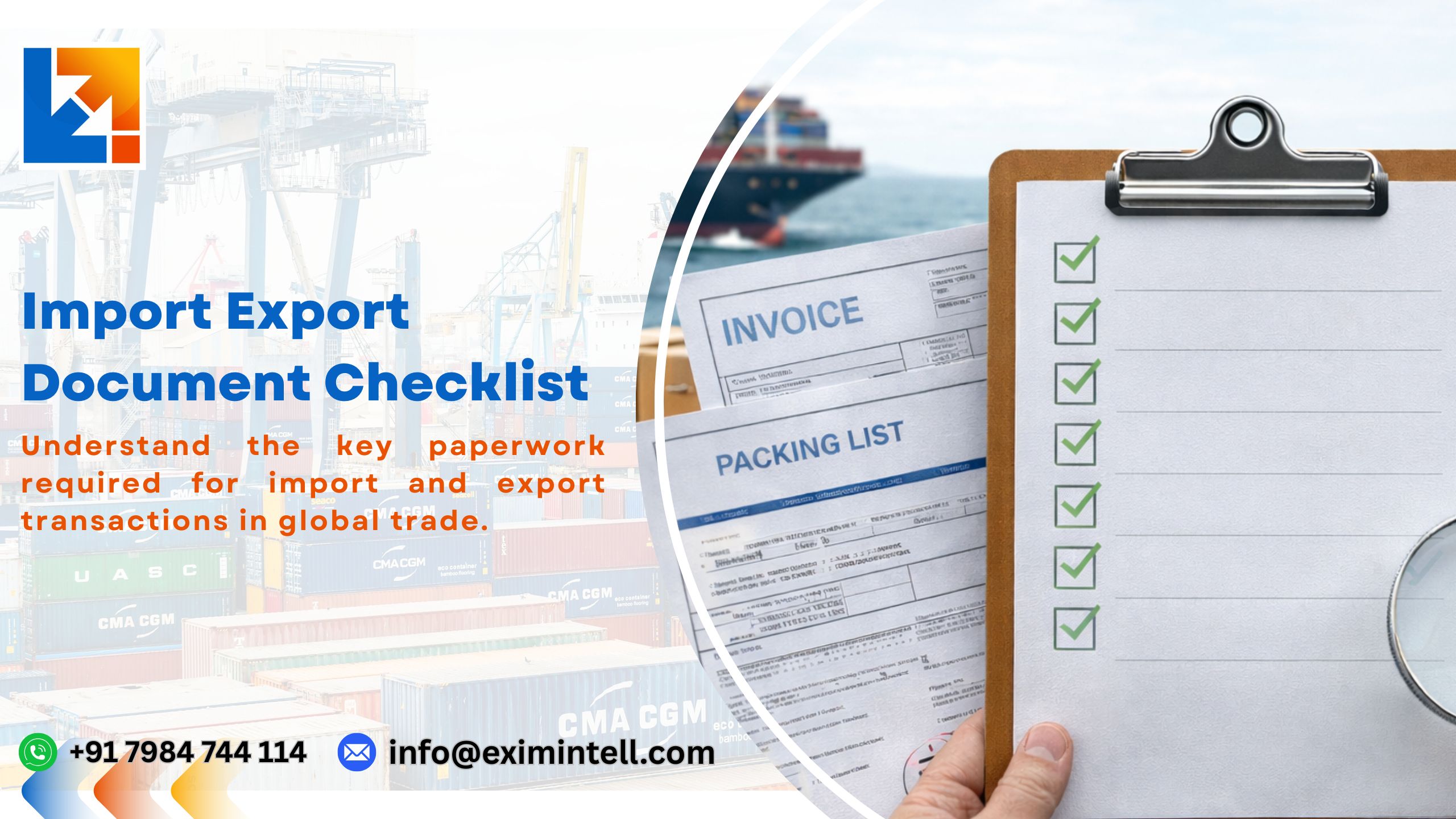
Every successful global shipment starts with the proper import export document. Picking the right papers for an overseas shipment or for one coming into the country is vital. Proper documentation in export to avoid penalties, delays, or a rejection during customs clearance.

As the Furniture Exports from India and E-Commerce service businesses grow, so does the need for properly understanding trade documentation. We can now go over the most important trade papers documentation checklists one part at a time.

What is Import and Export Documentation? 

In simple terms, documentation of export and import is the legal (financial and logistical) papers that are necessary to move a shipment across a border. Each document presents ownership and proof to the government and keeps all trading partners informed.

Export Documentation

The difference between import export documents is based on the type of paperwork and how it works. Exporters must inform the government of the shipment’s origin, value, and details. Importers prioritize the payment of duties, obtaining inspection certificates, and ensuring the delivery of goods. It’s critical for Indian exporters to know the rules and paperwork for exporting better so that their shipments fit the rules of the country they are going to.

Most modern documentation in export systems is digitized, which reduces documentation in export and rapid approvals during customs.

The Essential Export Documents From India

The documentation for export from India means that the exporter must prepare another different set of documents for when goods are going to be shipped out of the country. The documents are:

  • Commercial Invoice. This is a document that shows, in detail, the buyer and seller of the goods and their value.
  • Packing list. This document outlines the details of the packing.
  • Bill of Lading or Airway Bill. The transporter issues this document as proof of the shipment. 
  • Certificate of Origin. This shows the country that manufactured the product.
  • Export license issued by the Directorate General of Foreign Trade (DGFT).
  • Shipping Bill. This is a customs clearance document required for exports that is also of the export. 

Every document required for exports is needed for a reason: to keep things clear. For instance, Furniture Exports from India need extra certificates to show that they follow the rules for treating wood and being environmentally friendly.

Understanding these documents is crucial for preserving your export reputation and avoiding any delays in your shipment.

Step Export Documentation and Procedure

Export documentation and procedure that go along with it have several key steps that have to be completed in order: 

  1. Pre-Shipment Stage: Exporters prepare the required import export document paperwork, invoices, inspection certificates, and insurance documents.
  1. Customs Clearance: documentation for export from India submitted to customs control for verification.
  1. Shipment: Transporting the goods, where the Bill of Lading or Airway Bill is issued as proof.
  1. Post-Shipment Stage: Documents are sent to the importer’s bank for the post-payment processing.

Filing and completing all required documentation in export will guarantee that your goods will arrive in a timely manner, along with protecting the exporter from losses and conflicts.

Import Documentation – What You Need to Know

Like exporters, importers need proper import documentation. These include the following:

  • Proforma Invoice
  • Commercial Invoice
  • Import License (if any)
  • Bill of Entry
  • Packing List
  • Insurance Certificate
  • Certificate of Origin

documentation of export and import helps customs officials authenticate the goods and calculate duties.

In India, importers must ensure all import documentation is submitted through the ICEGATE portal to ensure quick clearance. This process enables the government to ensure legal compliance and helps importers avoid delays.

The flow of international trade is easy with export documentation and coordinated documentation and refined procedures.

The Accuracy of Trade Documentation

Inaccurate import export document can lead to delays, fines, and even the loss of the ability to trade. Documentation for export from India must leave all chain parties in the supply chain protected.

documentation in export is now more efficient and streamlined due to digital advancements. Most companies use document automation systems to prepare import export documents.

These systems also enhance documentation of export and import-based problems and trade regulation priorities.

Best Practices for Keeping Export and Import Records  

Organized files for import export document facilitate audits, reorders and future transactions. They include  

All documentation is in.  

  • Update re templates for compliance with current documentation in export and procedures.
  • Details of HS codes, buyer names, and shipment value need verification before submission of export documentation and procedure.
  • The cloud stores export and import documentation data, providing public access and incorporating layers of encryption.

Digital tools improve tracking of import documents for importers and exporters. Exporters also gain reliable record keeping on repeat customers and reporting to the government.

Common Challenges and Solutions in Export Documentation  

Businesses managing documentation for export from India commonly work with.  

  • Incomplete invoices or certificates.
  • Incorrect  documents required for exports leading to customs clearance delays.  
  • Mismatched data across papers leading to document errors in documentation in export.

We are addressing these issues through automation, logistics partnerships, and E-commerce service platforms that integrate shipping with documentation.

Understanding the most recent developments in export documentation and procedure allows for unhindered and seamless trading activities. 

Conclusion – Expert Documentation Assistance Will Simplify Your Trade Process

An unorganized import export document process for import exports can cause great issues in the international market. Export documentation for export from India to import documentation must all be done in a precise and compliant manner for it to succeed.

Automating the system will let documentation in export work more quickly and more trust will be built with the customer while reducing the chances of expensive delays. E-commerce and global trade have increased, making the process smarter and faster.

If you want to improve your export-import business and all documentation is done properly, Contact us. Our professional documentation will streamline your trade process.

Continue Reading

Introduction

For Indian exporters, understanding hs code for export is critical to all possible entries into global trade. Every product that crosses international borders must be classified under a standardized system so that customs can identify the product, assign duties, and apply regulations if applicable. This standardization allows exporters, importers, and customs to communicate with one another without any ambiguity and standardizes the paperwork to prevent delays. 

In India, exporters depend greatly on hs codes india when preparing invoices, packing lists, GST documents, and shipping bills. The application of hs codes requires importers to export documents and trade treaties. International trade hs codes and documentation are some of the most critical to professional business communications. 

What Is an HS Code? Meaning, Purpose, and Global Role

What HS Codes Mean to Exporters

When it comes to knowing what hs code means and the overall global trade requirements, hs code means Harmonized System Code, which is a system the World Customs Organization developed that maintains a structured numeric classification system in which each product that is traded is in a single six-digit format that details the material, type, and usage of the product to help maintain global uniformity. 

In knowing what hs code means, exporters are able to properly classify items that are exported, avoiding the problem of being misinterpreted or misunderstood at export checkpoints. Professional documentation is ensured because of the proper classification in the harmonized trade system codes and it also keeps up with the trade and customs compliance that is applicable to global trade.To better understand how proper product classification supports profit and growth in the import export industry, you can explore this detailed guide.

What Is a Harmonization Code

What is harmonization code is a question a lot of exporters tend to ask. It refers to the fact that this is the system of classification that is globally accepted as the HS system that is in use in over 200 countries around the world. What is harmonization code also refers to is the system of classification that is the basis of customs duties, compliance, and trade restrictions, along with the overall quality control documentation practices.

The harmonization code system is how different nations manage consistency in product identification and regulatory enforcement. For an Indian exporter, it is important to know what is a harmonization code so that their products fulfill global documentation requirements, clear customs without an inspection, and avoid questions or delays.

hs code for export

Why HS Codes Matter in International Trade

HS Codes are important as they determine what taxes, product standards, documentation, and benefits are available in a particular trade deal. There is a possibility of a shipment being stranded or a subsequent torturous customs control situation arising from an hs code for export an item incorrectly. 

Structure of HS Code for Export in India

Breakdown of HS Codes in India Format

The Global HS system uses six digits, whereas hs codes india expand this system to eight digits. The first two digits are the chapter, the second two are the heading, the next two are a subheading, and the last two are Indian extensions that are available for GST and customs.

India’s codes are useful for exporters to classify intricate items, unfinished materials, parts of machinery, and other specific items. Having a grasp of how hs codes india helps exporters to correlate goods to a tariff schedule and document customs correctly.

Sections and Chapters in the List of HS Codes for India

The list of hs code india data is divided into 21 general sections and 99 chapters. This list encompasses a multitude of traded goods covering agriculture, textiles, chemicals, electronics, and metals. To comply with legal standards, exporters need to utilize the list of hs code india to determine the correct product, and to achieve the specific eight-digit classification.

Understanding the list of hs code india helps to avoid the potential of misclassification and the associated penalties, delays in shipment, and mistakes concerning duties. 

How to Read and Interpret HS Codes

The chapter contains the broad category of the product, the heading identifies which type of product it is, and the subheading contains more specific details about the product. The additional digits in India’s hs code give a classification for the specific tax. Once exporters grasp the pattern, it is easier and more reliable to find the correct hs code for export.


Why HS Code for Export Is Essential for Indian Exporters

Correct Estimation of Duties, Taxes, and Legal Compliance

The hs code for export determines the amount of customs duty, GST, and related taxes. Wrong HS code selection could result in duty underpayment or overpayment, incurring legal consequences or delays during customs. 

Essential for Customs Documentation and Clearance

Every export document, including the commercial invoice, packing list, e-way bill, or shipping bill, hs codes india. The proper hs codes india allows customs to quickly establish the legitimacy of the product and clear the shipment without undue delays.

Importance of Free Trade Agreements (FTAs)

For exporters to enjoy the benefits of lower duties in FTAs, the correct hs code for export must be used. Incorrect codes can result in one being ineligible for the trade benefits, resulting in their goods being uncompetitively priced. This is also one of the reasons why exporters are dependent on hs codes. Exporters who classify their products correctly can also take full advantage of various export incentives in the international market, improving overall profitability.

Finding the Right HS Code for your Exports

Using DGFT, ICEGATE and CBIC Resources

These exporters can find HS codes on the DGFT, ICEGATE, and CBIC web portals by entering a description of their product. 

Mapping Products Using India’s HS Codes

Exporters ensure their products are adequately mapped by using the list of hs code india so they can be aligned with the proper chapters and headings.

How to Avoid the Most Common Errors When Selecting HS Codes

Recurring errors include thinking that similar products must have the same code and reliance on obsolete classification systems. Consulting with IS customs professionals mitigates the risk of using hs codes india incorrectly and causing expensive delays.

Commonly Used HS Codes in India by Exporters

Agriculture and Food Products

India exports a variety of agricultural products such as rice, spices, fruits, vegetables, and grains. These require precise hs codes to avoid delays and ensure smooth processing.

Textiles and Apparel

Proper HS classification assists textile exporters to avoid problems during exports by ensuring they use the right hs code for export yarn and fabric can pass customs.

Machinery and Other Industrial Products

Tools, motors, pumps and other industrial machinery require precise coding for compliance with duty regulations and for the machinery to pass customs.

FAQs

What Does HS Code Mean?

HS code refers to a universal scheme for the classification of products.

How Do I Know What the Harmonization Code for My Product Is?

For those asking what the harmonization code is, exporters can visit the portals of the DGFT or CBIC for product classification based on the required description.

Are HS Codes in India the Same as They Are in Other Places?

Internationally, codes have six digits, however hs codes india have eight digits to meet Indian compliance rules.

Conclusion

Getting the hs code for export is necessary to make sure that everything is done correctly, to make paperwork easier, to reduce mistakes in processing, and to make customs approval easier. Using hs code correctly lowers risk, stops delays, and raises your place in the list of hs code india. Using the hs codes india exporters have access to, global markets can easily be penetrated with the appropriate classification of goods. If you need guidance in choosing the right HS codes for your products, feel free to contact us for expert support.

Continue Reading

Are you ready to take your career to new heights in 2023? If the answer is a resounding yes, then we have just the solution for you – Export Import Training! With globalization on the rise and businesses expanding their reach overseas, there has never been a better time to master the art of international trade.

In this blog post, we will explore how enrolling in Export Import Training can be a game-changer for your professional journey. From acquiring invaluable skills to unlocking exciting job opportunities, get ready to embark on a transformative learning experience that will skyrocket your career in no time. Buckle up, because your path to success starts right here!

Introduction About Export Import Training

A career in export-import can be very rewarding. The work is challenging and exciting, and the potential earnings are great. But, like any other career, it takes training and education to get started.

Export Import Training programs are offered by many different organizations, including community colleges, private schools, and online courses. There is a lot of information to learn, and the process can be overwhelming. But with the right training, you can launch a successful career in export-import.

Here are some of the benefits of export-import training:

1. You’ll learn about the international market.

2. You’ll learn how to navigate the paperwork and regulations involved in exporting and importing goods.

3. You’ll develop a network of contacts in the industry.

4. You’ll gain practical experience in logistics and transportation.

5. You’ll have an opportunity to earn certification from recognized organizations such as the National Customs Brokers & Forwarders Association of America (NCBFAA) or the International Association of Harmonization (IAH). Export-import specialist designation (EIS) from NCBFAA or Certified International Trade Professional (CITP) from IAH can enhance your career opportunities and earning potential. Certification shows that you have the knowledge and skills required to be successful in this field.

It’s predicted that the export-import sector will be even more important in the next few years, with powerful regulatory changes likely to further open opportunities for those who are trained and certified in it. Investing in Export Import Training now can help you start setting yourself up for a lucrative career in this field by 2023. Furthermore, through this training, you can gain the knowledge required to navigate international markets, develop international business negotiation skills, and much more. So if you want to get ahead of the curve and boost your career prospects dramatically – now is the time to get started!

What is Export Import Training?

There are many different types of Export Import Training available, but generally, the goal is to learn about the process and regulations involved in exporting and importing goods. This can include classes on international trade law, customs procedures, and logistics.

Many people pursue Export Import Training to start or further their careers in the field. With the right training, you can learn how to help businesses comply with government regulations, avoid costly mistakes, and take advantage of opportunities in the global marketplace.

Whether you’re interested in starting your own export/import business or working for a company that is already involved in international trade, Export Import Training can give you the skills and knowledge you need to be successful.

Benefits of Taking Export Import Training in 2023

Individuals who are looking to start a career in the export-import business can benefit greatly from taking Export Import Training courses. By 2023, the global economy is expected to continue to grow, and with it, the demand for goods and services exported and imported around the world.

Export Import Training

Taking an Export Import Training course will provide individuals with the knowledge and skills they need to successfully start a career in this field. The course will cover topics such as international trade law, customs procedures, shipping and logistics, and marketing. In addition, individuals who take this type of training will be able to network with other professionals in the field and learn from their experiences.

The benefits of taking Export Import Training go beyond just gaining the skills and knowledge needed for a successful career. Individuals who complete this type of training will also be able to earn a higher salary than those without the necessary training. In addition, by completing Export Import Training courses, individuals will be better prepared to handle the challenges that come with working in this ever-changing industry.

How to Get Started With Export-Import Training

If you’re looking for a way to boost your career, Export Import Training may be the answer. This type of training can help you learn the ins and outs of international trade, giving you the skills and knowledge you need to succeed in this growing field.

Not sure where to start? Here’s a quick guide on how to get started with Export Import Training:

1. Do some research. First things first: before you enroll in any Export Import Training program, it’s important to do your homework and figure out what exactly you need to learn. Consider what types of exporting and importing your company does (or plans to do), and look for training programs that focus on those specific areas.

2. Find a reputable program. Once you know what kind of Export Import Training you need, it’s time to start looking for a reputable program that can provide it. There are many different options out there, so take your time and find one that meets your specific needs. Be sure to read reviews from other students or professionals who have gone through the program before making your final decision.

3. Enroll and get started! Once you’ve found the perfect Export Import Training program, it’s time to enroll and get started learning! Most programs offer both online and in-person options, so you can choose the learning format that works best for you. With dedication and hard work, you’ll be well on your way to a successful career in international trade in no time!

Key Skills You’ll Learn During Export Import Training

Export Import Training can provide you with a range of key skills that can help to boost your career. These skills include:

-Learning how to identify and assess international market opportunities
-Gaining an understanding of the exporting and importing process, including documentation and shipping procedures
-Developing an understanding of the various financing options available for exports and imports
– building an awareness of the political and cultural considerations involved in international trade
– acquiring knowledge of the top markets for exports and imports

All of these skills are valuable in helping you to progress your career in export-import. By completing training, you will be able to show potential employers that you can successfully identify and assess international market opportunities, as well as navigate the exporting and importing process. This can make you a highly desirable candidate for export-import roles.

Tips for Success in Export Import Training

Completing Export Import Training can provide individuals with a wealth of knowledge and skills that can help them excel in their careers. The following are some tips for those who are interested in completing Export Import Training:

1. Do your research: There are a variety of Export Import Training programs available, so it is important to do your research to find one that best meets your needs. Consider factors such as the length of the program, the cost, and the curriculum to find a program that is right for you.

2. Get experience: Many Export Import Training programs offer internships or other opportunities to gain hands-on experience. This can be an invaluable way to learn about the industry and build your skillset.

3. Stay up-to-date: The world of international trade is constantly changing, so it is important to stay current on trends and developments. Reading trade publications and attending conferences or seminars can help you stay abreast of the latest changes in the field.

By following these tips, you can set yourself up for success in Export Import Training and your career in international trade.

Career Paths After Completing the Course

There are several different career paths that you can take after completing Export Import Training. One option is to become an exporting agent. As an exporting agent, you would be responsible for finding international buyers for products and coordinating the shipment of those products.

Another option is to become an importing agent. As an importing agent, you would be responsible for finding foreign suppliers for products and coordinating the importation of those products. You could also become a freight forwarder, which is someone who helps coordinate the transportation of goods between different countries. Or, you could become a customs broker, which is someone who helps companies comply with customs regulations when shipping goods internationally.

Conclusion

In the dynamic realm of international trade in 2023, seizing the advantages of Export-Import Training is not just a choice; it’s a career-defining decision. EximIntell stands as a trusted partner, guiding individuals towards a future brimming with possibilities. As the global marketplace continues to evolve, those who have undergone EximIntell’s training will be the vanguards of progress, propelling their careers to unprecedented heights and leaving an indelible mark on the world of international trade. Embark on this transformative journey with EximIntell, and watch your career soar to new horizons.

Continue Reading

Are you an aspiring global entrepreneur with a passion for navigating the exhilarating world of international trade? Whether you’re a seasoned professional or just dipping your toes into the import-export industry, mastering the ins and outs of this dynamic field is crucial to achieving success.

Luckily, we’re here to arm you with our top 12 tips for excelling in import-export courses! From understanding market trends to managing logistics like a pro, join us as we unlock the secrets that will set you apart from the competition and pave your way toward becoming an import-export maestro. Get ready to unleash your potential and make your mark on the global stage!

Introduction to Import Export Courses and its Scope

Import-export is a process of shipping goods from one country to another. It involves the movement of physical goods as well as the transfer of ownership of those goods. The process can be completed by an individual, a company, or a government.

The scope of import-export covers a wide range of activities, from the movement of raw materials and finished products to the exchange of currencies and the investment in foreign companies. The most common types of goods that are imported and exported are commodities, manufactured products, and services.

The primary benefits of import-export Courses are that it allows businesses to access new markets and expand their customer base. It also helps businesses to save on costs by taking advantage of lower labor costs and production costs in other countries. In addition, import-export can help businesses to diversify their product offerings and reduce their dependency on one market or region.

Factors to Consider When Selecting Import- Export Courses

There are a few factors you should consider when selecting your import-export courses to ensure you are getting the most out of your education. Here are some things to keep in mind:

1. Make sure the courses are accredited. This will ensure that the courses meet certain standards and will be recognized by potential employers.

2. Choose courses that fit your schedule and lifestyle. There are many online and evening courses available, so you can choose what works best for you.

3. Consider the cost of the courses. Some programs may offer financial assistance, so be sure to check into this before enrolling.

4. Make sure the curriculum is up-to-date. The import-export industry is constantly changing, so you want to make sure your courses reflect these changes.

Top 12 Tips for Excelling in Import- Export Courses

To excel in your Import-Export courses, follow these top tips:

1. Make a study schedule and stick to it.
2. Get plenty of rest and exercise; both help improve focus and concentration.
3. Seek out a tutor or mentor if you need extra help understanding the material.

4. Take good notes in class and review them regularly.
5. Do all of the assigned readings and homework; it will deepen your understanding of the concepts.

6. Participate actively in class; ask questions and share your insights with classmates.
7. Stay current on international news and events; they’re relevant to the world of imports and exports.

8. Join or attend meetings of professional organizations related to import/export businesses.
9. Use online resources, such as exporter directories, to research potential business partners around the world.
10. Develop a network of contacts in the import/export industry; they can be invaluable sources of information and advice.

11. Consider pursuing an internship with an import/export company; it’s an excellent way to gain experience in the field while still in school.

12. Remember that mastering the basics is essential to success in this field; don’t get discouraged if you don’t understand everything right away – keep working at it and you will eventually get there!

Advantages of Taking an Import-Export Courses

If you are looking to start a career in import-export, or if you are already working in the industry and want to improve your knowledge and skills, taking an Import-Export course is a great idea. Here are some of the advantages of doing so:

Import-Export Course

1. You will learn about the international trade system and how it works.

2. You will gain a better understanding of the various laws and regulations that govern international trade.

3. You will learn about the different methods of shipping goods internationally, and how to choose the most appropriate one for your needs.

4. You will get an insight into the world of marketing and finance, and how they relate to import-export businesses.

5. You will acquire valuable practical skills such as customs clearance, documentation, and packaging.

Commonly Asked Questions About Import- Export Courses

1. What is an ImpExp course?

An Import-Export course is a specialized form of training that covers the basics of international trade and commerce. The curriculum typically covers topics such as import and export regulations, customs procedures, international marketing, and logistics.

2. Who should take an Import-Export courses?

Anyone interested in pursuing a career in international trade or business would benefit from taking an Import-Export courses. The course is also helpful for those who are already working in the field but wish to brush up on their knowledge or learn about new developments in the industry.

3. What are the benefits of taking an Import-Export course?

Some of the benefits of taking an Import-Export course include gaining a better understanding of the global marketplace, developing important skills for conducting business internationally, and networking with other professionals in the field. Additionally, many courses offer practical experience through internships or other hands-on learning opportunities.

Sample Courses Available For Enrollment

There are many different types of courses available for those interested in pursuing a career in import-export. Many community colleges and universities offer these types of courses, often as part of a business degree program. There are also specialized trade schools that offer training specifically in import-export.

Some of the specific courses that might be available include customs regulations, tariffs and quotas, international shipping and transportation, financial management of international trade, cross-cultural negotiation, and marketing across borders. These courses provide students with the knowledge and skills they need to succeed in an import-export career.

Although not required, enrolling in one or more of these courses can give students a significant advantage when applying for jobs in the field. Those who have taken import-export courses will have a better understanding of the complexities involved in this type of work and will be better prepared to handle the challenges that come with it.

How to Choose the Right Import-Export Course For Your Goals

When it comes to choosing the right Import-Export course, there are a few things you need to take into account so that you make the best decision for your career goals. Below are our top tips for finding the right Import-Export course for you:

1. What are your specific goals?

The first thing you need to do when choosing an Import-Export course is sit down and think about your specific goals. What do you hope to achieve by taking this course? Are you looking to start your own import/export business? Or are you hoping to get a promotion at your current company? Once you know what your goals are, you can better narrow down your choices.

2. Do your research

Once you know what your goals are, it’s time to start doing some research on different Import-Export courses. Look at different programs and see which ones look like they would best fit your needs. Make sure to read reviews from other students or professionals who have taken the courses so that you can get a better idea of what they’re like.

3. Consider your schedule and budget

Another important factor to consider when choosing an Import-Export course is your schedule and budget. Some courses may be longer or more expensive than others, so it’s important to find one that fits both of those criteria. If you’re working full-time, then an online course may be a better option so that you can study on your own time. And if money is tight, then look for a more affordable course.

4. Look for an accredited program

Finally, when choosing an Import-Export course it’s important to make sure it is from a reputable and accredited program. This will ensure that the material you’re learning is of good quality and will give you the knowledge and skills you need to succeed in the field.

Preparation Tactics for Successful Import- Export Course Completion

Preparation is key to excelling in any course, but it is especially important when taking import-export courses. This is because the material covered in these courses can be complex and challenging. Here are some tips for preparing for success in your import-export courses:

1. Know your learning style and adapt your studying accordingly. Some students learn best by listening to lectures, while others prefer reading texts or working with visuals. Identify the learning methods that work best for you and use them to study for your courses.

2. Create a study schedule and stick to it. When you have a set time each day or week to devote to studying, you will be more likely to retain the information you are learning.

3. Take practice quizzes and exams. Many textbooks and websites offer practice quizzes that can help you gauge your understanding of the material. Additionally, taking mock exams can help you get comfortable with the format of the actual exam and identify any areas where you need additional review.

4. Get involved in class discussions. Participating in class discussions will not only help you better understand the material but will also give you insight into how other students are approaching the coursework.

5. Seek out resources outside of class. In addition to your textbook and lectures, there are many other resources available that can help you excel in your import-export courses. Utilize online resources, such as research articles and trade journals, to supplement your understanding of course concepts.

By taking the time to properly prepare yourself for your import-export courses, you will be setting yourself up for success. Good luck!

What To Do

Anyone who wants to start a career in import-export should first enroll in an accredited import-export course. There are many online and offline courses available, but not all of them are created equal. To make sure you get the most out of your learning experience, follow these tips:

1. Do your research. Not all import-export courses are created equal. Some are better than others, so it’s important to do your research before enrolling in one. Read reviews, talk to people who have taken the course, and look for accreditation from a reputable organization.

2. Find a course that fits your learning style. Some people learn best by watching videos, while others prefer to read texts or listen to audio files. Choose a course that uses the learning method that works best for you.

3. Make sure the course covers everything you need to know. A good import-export course will cover all aspects of the business, from customs regulations to marketing strategies. Before enrolling, check the course outline to make sure it covers everything you need to know.

4. Don’t forget about practical experience. While theoretical knowledge is important, it’s also crucial to get some hands-on experience in the field. Many courses offer internships or other practical opportunities as part of the curriculum, so take advantage of them if possible.

Conclusion

One crucial aspect of this journey is selecting the right course provider, and Exim Intell shines as a beacon of excellence in this realm. With its comprehensive export-import courses, expert instructors, practical insights, and industry-relevant curriculum, Exim Intell emerges as a top-tier choice for anyone looking to gain a competitive edge in the import-export arena.

Continue Reading

In the world of foreign trade, Import Export Business is known to be one of the most common and hot terms. This sector helps you by allowing your business to grow in a rapid manner. Moreover, this will also help in increasing global reach. The economic infrastructure of a country is also dependent on this business as it helps in increasing a country’s economy by increasing the GDP. Gross Domestic Product (GDP) is an indicator of a country’s overall economic health and export import business plays a vital role in contributing to it. To engage in this business, one needs to obtain an Export Import Code (EIC) from the Directorate General of Foreign Trade (DGFT). EIC is a 10-digit code issued by DGFT that authorizes businesses to import or export goods. This code is required for all shipments above Rs. 25,000 in value.

Some important criteria are there which are very much mandatory for the business of import and export. One of them is the IEC code which is the Import Export Code registration. It is known to be one of the most important requirements for a person or any other type of business that deals with the import and export business. The Director-General of Foreign Trade is responsible for issuing the Import-Export code for industries and commerce.

What do you mean by Import Export Code?

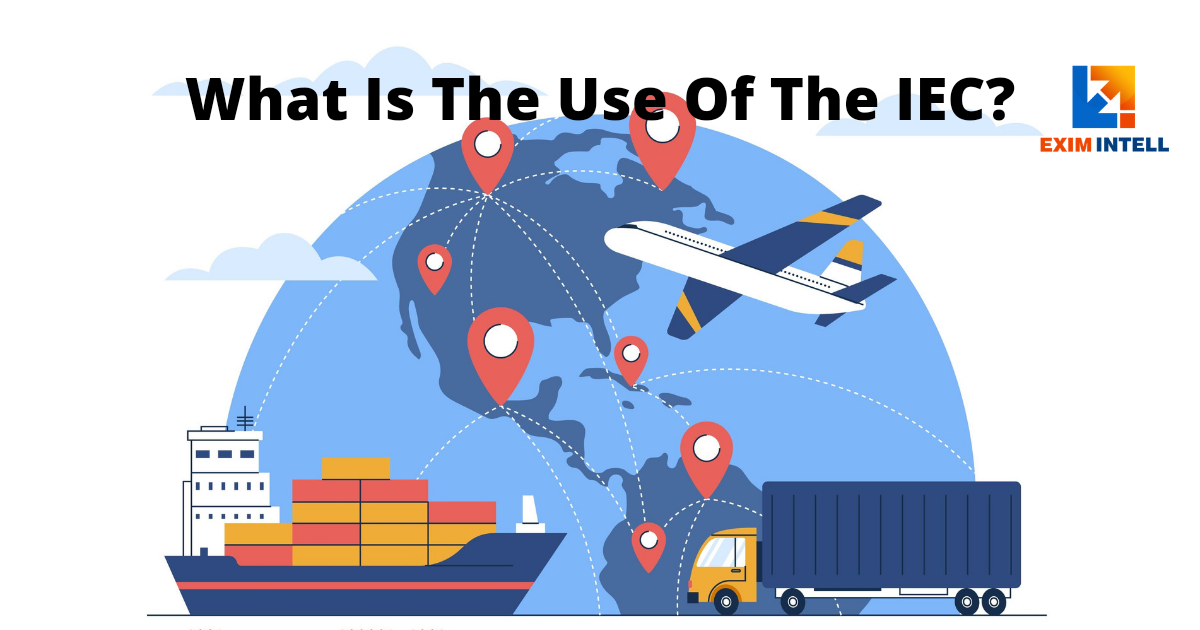
One of the best options for new people is the IEC or the Import Export Code. This is known to be one of the first steps of registration for the people who are engaged in the import and export of products and services. The Director-General of Foreign Trade issues the IEC code which is having a unique code of 10 digits. This is known to be one of the most necessary documents for the Import-Export business.

A person can easily grow up the level of their business with the help of this IEC code. A business entity can use the IEC code once it has been issued and it is known to be the Import Export License. There is no need for the importer and exporter to renew or fill the issue. The IEC code is required by the importer who imports goods to its country and also to the exporter who exports its good from their country to another country. IEC is also required by the bank when there is a need for sending money abroad.

Uses of Import Export Code

Import Export Product Codes are essential for the person who are in this business as mentioned earlier. Ships carrying cargo play a major role in transferring the cargo or goods from one place to other and helps in importing and exporting goods. In order to unlock the corridors of the International economic and trade market IEC plays a major role. There is various use of this code as this is required by both importers as well as exporters. It is very important for an importer to clear the shipment from customs and here comes the role of the Import Export Code for the importers. Now for the exporters when they are responsible for exporting their items to other countries this code is asked by the customs. The major uses for this IEC Code are as follows-

  • Expansion of business is known to be the first and foremost use for this Import and Export Code as this IEC plays a major role in assisting a businessman to take their services as well as product to the global market.
  • A company can easily avail of various benefits with the help of this Import Export Code from customs, DGFT (Director General of Foreign Trade), and export promotion council depending on the registration of IEC.
  • Now for the exporters who get their payments by means of foreign currency and the transferring of money is taken place through the bank account of the exporter in a direct manner this IEC code is used.

There is also an Import Export HS code which is being followed by 200 countries all around the world. In order to execute the international trade agency the most systematic method that can be used is the IEC HS code. This code is having a unique code of 6 digits which is given for any particular item that is to be imported or exported.

Documents that are important for Import Export Code

Before knowing about the uses of the Import Export Code it is very much essential to know about the documents that are required for receiving the license for Import Export Code. They are as follows-

  • Pan Card copy for individual or Company.
  • Rent of agreement of the premises or electric bill copy.
  • Aadhaar card or Passport copy or Voter’s ID for an individual.
  • An envelope that is self-addressed for registered mail delivery of the certificate of Import Export Code.
  • Copies of cancel cheque of current bank account for firms, companies, or individuals.

There are also various benefits that can be avail by the use of this Import Export Code and they are the expansion of business, no requirement for renewal, no return filing, simple processing,  etc.

Conclusion

However, it is very essential to keep in mind that there are some places where the Import Export Code is not mandatory. According to the latest circular that has been issued by the Government, it is not mandatory for any traders who are having their registration under GST. So pan card of the user is used in this case as IEC code. This is also not essential for goods of personal purposes. The above points will surely help in guiding the Import Export Code and knowing about their uses as well as the things essential to receive this IEC.

Continue Reading


With globalization, the world has become easily accessible for anyone who wishes to reach
out. Businesses, be it a small or a grand one, are spreading fast. And exporting and
importing goods have become one of the most important requirements.
When a business starts functioning internationally a lot of additional factors join the process
and the national and global economy stands at the top branch of it. The export and import
of goods not only pushes the business towards a better path but also takes an effective role
in expanding the economy.


How does it work?

Not all country has every necessary resource. While some countries own minerals or fossil
fuels, others possess precious metals. Similarly, some nations have an advanced
infrastructure while others do not. To balance and benefit one nation, it imports what it
lacks and exports what it has in huge quantities. And that is how one way or the other, all
the countries grow their economy.


What role does a nation play?
Importing and exporting activity of a country can directly impact its GDP, exchange rates,
and the level of inflation and interest percentages. Therefore, a nation’s economy plays a
significant role. A country with a strong currency hampers its exports and makes the imports
cheaper while a nation with comparatively weaker currency makes its imports costly and
fuels the exports.
Moreover, when the export rate is higher it would signify that the economy is advancing
better than overseas markets. But it may impact the exchange rates in a typical way. Thus,
maintaining a balance of imports and exports is very crucial for a country as it affects its GDP
and also balance of trade directly. A nation’s economy is accepted healthy when both its
import and export rates are growing. It designates the economy is strong enough.


Importance of Import & Export
Importing and exporting help small and medium start-ups and businesses greatly. By
importing goods, they get to save manufacturing costs and at the same get exposure to the
global market. In the same way, by exporting products they reach a larger market and earn
higher profit.
The system of importing and exporting products do not only profits the business but also
benefits the consumers. The customers get to purchase items that are not available locally
and are sold at higher prices. By buying the items directly from the manufacturer through
the internet save both their time and money.


Why approach EximIntell?
EximIntell is a leading import and export platform that has been providing the best quality
service across India for over 20 years. The team of EximIntell includes brilliant consultants

who possess not just experience in the field but also years of market research. They have in-
depth knowledge about how the domestic and international markets work.
Furthermore, understanding where to invest and which market can benefit you the most is
more than necessary. EximIntell organization offers high-quality consultation as well as
training programs, business start-up/set-up services, e-commerce services to businesses,
entrepreneurs, and interested learners. It is a one-stop solution for your import and export
business!

Continue Reading